The September rally of the leading cryptocurrency was marked by a major fundamental shift: for the first time in nine months, Bitcoin’s price rose above its estimated production cost. According to investment bank JPMorgan, returning above $85,000 eases financial pressure on miners and prevents a wave of forced sales. At the same time, the industry itself is undergoing a structural transformation as Bitcoin miners increasingly redirect their computing capacity toward artificial intelligence needs.
1. The “Soft Floor” Concept and Overcoming 280 Days of Pressure
In a JPMorgan report cited by The Block, the average production cost of one bitcoin (1 BTC) is estimated at around $85,000. During the September rally, the cryptocurrency briefly consolidated above this mark, ending the longest streak below production costs since 2018, which lasted 280 days.
In JPMorgan’s analytical model, the production cost acts as a fundamental “soft floor” for market quotes:
- Pressure on Profitability: When the market price drops below production costs, the most vulnerable market participants—miners with high electricity tariffs and outdated equipment—begin operating at a direct loss.
- Cascading Sales: To cover ongoing operating expenses (OPEX), these companies are forced to sell more bitcoins from their reserves, creating additional downward pressure on the price.
- Shutting Down Capacity: If negative margins persist, miners turn off their least efficient rigs or exit the market entirely, reducing total network hash rate and mining difficulty.
This recent period of pressure proved significantly harsher than the previous comparable cycle in 2018, when Bitcoin traded below production cost for 224 days.
2. Summer Timeline: Negative Margins and Historical Industry Losses
Challenges in the mining industry built up throughout the year:
- June Imbalances: In June, JPMorgan analysts estimated the average cost to mine 1 BTC at around $78,000, while Bitcoin was trading near $62,500. According to a CoinShares report, about 20% of all miners were operating at a loss at that time.
- Record Q2 Losses: CoinShares specialists noted that in the second quarter, public mining companies as a whole fell below the breakeven point for the first time in history.
Even though the asset is currently trading around $84,000 at the time of publication, experts believe that temporarily surpassing $85,000 has mitigated the risk of mass forced liquidations by miners.
3. Major Shift: Power Migration to AI Infrastructure
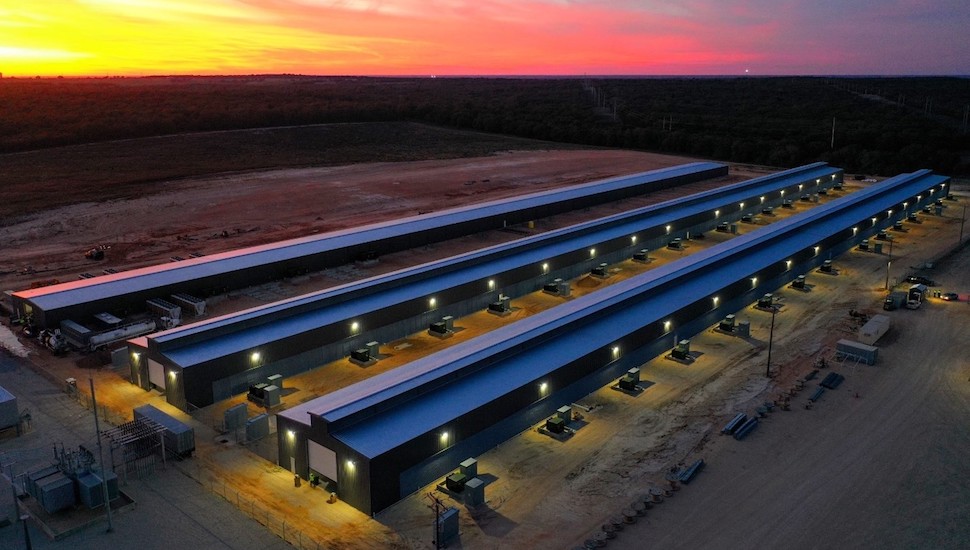
The most crucial factor reshaping the mining landscape has been business diversification and the pivot of data centers toward artificial intelligence and high-performance computing (HPC).
JPMorgan analysts note a marked outflow of computing resources from the Bitcoin network:
- Drop in Hash Rate and Difficulty: Total network hash rate declined by approximately 19% from its October peak, while mining difficulty dropped by around 15%.
- Reduced Public Miner Capacity: During the first half of the year, public crypto miners reduced realized hash rate by 56 EH/s (about 15%). Most of the freed-up infrastructure and power capacity was redirected to AI projects.
The reason for this transition lies in fundamentally different economics:
- Predictable Revenue: Long-term contracts providing computing power for AI guarantee fixed, predictable revenue per megawatt of energy.
- Protection Against Volatility: Amid high mining difficulty and weak Bitcoin mining profitability, AI infrastructure offers a stable cash flow that buffers against crypto market fluctuations.
4. Long-Term Implications for the Network and Price Dynamics
Miners shifting toward AI directly impacts the cryptocurrency’s fundamental metrics. According to JPMorgan analysts, slower network hash rate growth means that the estimated production cost of Bitcoin will increase much more gradually outside of halving periods.
This creates a dual benefit for the market:
- On one hand, lower hash rate and mining difficulty ease the workload for remaining miners, reducing their individual costs.
- On the other hand, the migration of resources to AI reduces the structural supply of new coins entering the market, as companies become less reliant solely on selling mined Bitcoins.
Relieving long-standing pressure on miners and normalizing their profitability creates a solid foundation for the further stabilization of the leading cryptocurrency’s price.