Bitcoin has long been synonymous with unpredictability, but recent data from Charles Schwab analysts is forcing a rethink of this stereotype. In 2026, experts are noting a unique phenomenon: the volatility of the leading cryptocurrency is now lower than that of some of the US stock market’s biggest stars.
A Five-Year Trend of Stability: Facts and Figures
According to the report, Bitcoin’s current volatility has been nearly halved compared to figures from five years ago. Even recent market turbulence has not altered this long-term trend toward the asset’s “calming.”
Key Stability Indicators:
- Historical Volatility (HV): In 2021, this metric hit the 80% mark, whereas in 2025, it settled at 42%.
- Average True Range (ATR/P): Average daily price fluctuations have also dropped by half—from 6.8% to 3.4%.
Bitcoin vs. The “Magnificent Seven”
The most unexpected finding from the analysts was the comparison of BTC with US tech giants. It turns out that the premier cryptocurrency is behaving more conservatively than the favorites of the AI race and the automotive industry.
Comparative Volatility Table (HV)
| Asset | Volatility Level |
| Tesla (TSLA) | 63% |
| Nvidia (NVDA) | 50% |
| Bitcoin (BTC) | 42% |
| Silver (Futures) | 38% |
Interestingly, Bitcoin’s metrics have closely approached those of silver futures, which is traditionally considered a conservative safe-haven asset.
The Stress Test: Drawdowns and Risks
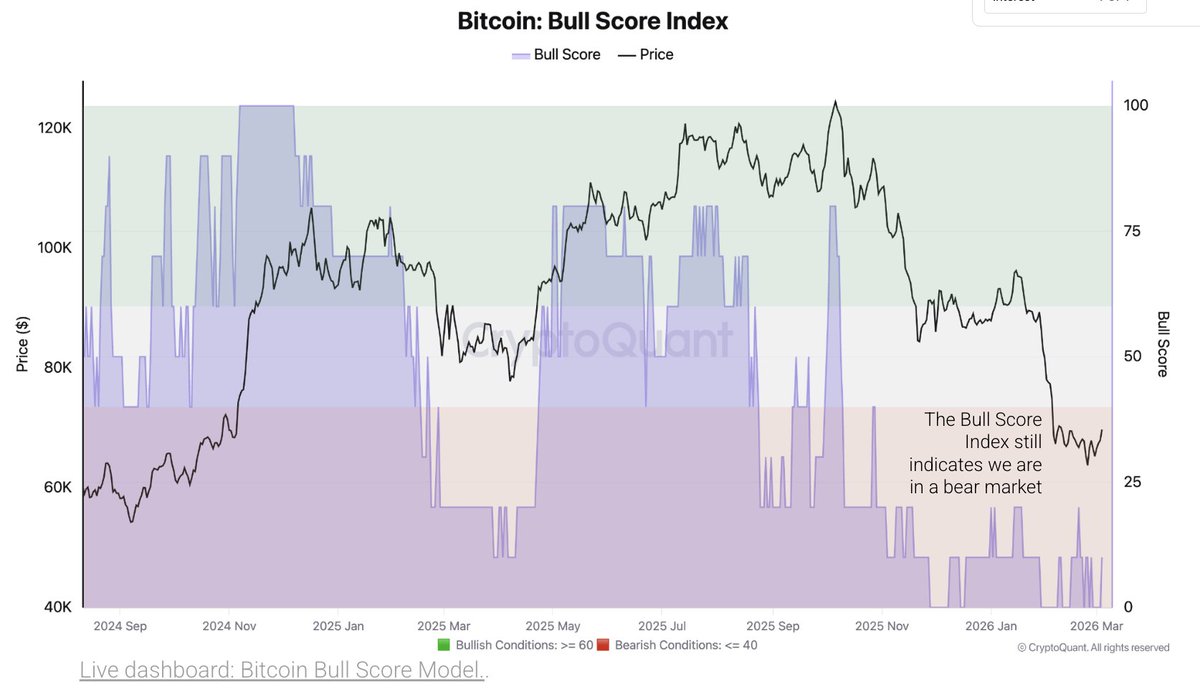
Despite the overall decline in volatility, the period between late 2025 and early 2026 served as a major test for investors. The coin experienced its deepest drawdown in several years, losing nearly half of its value. However, in the context of the stock market, this does not appear to be an anomaly.
Maximum Drawdown Statistics (3-year period):
- Tesla: –54%
- Bitcoin: –50%
- Nvidia: –37%
Charles Schwab analysts emphasize that while the BTC price has recovered and normalized, the asset still retains the capacity for sharp swings. Nevertheless, within the crypto market, Bitcoin has firmly established its status as a “safe haven,” while Ethereum (ETH) continues to exhibit much deeper drawdowns and more aggressive price swings.
Conclusion: Integration Complete?
Experts attribute this “evolution” of Bitcoin to its deep penetration into traditional financial structures. Its gradual transformation from a speculative instrument into a recognized institutional asset makes its behavior more predictable and similar to classic exchange-traded commodities.