The financial world is on the brink of a global transformation. The world’s largest stock exchanges and payment systems — from the NYSE to Mastercard — are simultaneously implementing blockchain solutions, blurring the lines between Traditional Finance (TradFi) and digital assets.
NYSE and Securitize: 24/7 Stock Trading on Blockchain
The New York Stock Exchange (NYSE) has taken a decisive step toward Real-World Assets (RWA) by partnering with the Securitize platform. Their ambitious goal is to develop a comprehensive infrastructure for trading tokenized shares.
Key areas of collaboration:
- New Standards: Developing protocols for digital transfer agents to replace outdated ownership record-keeping methods.
- Regulatory Compliance: Focusing on the legal integrity of transactions and the technological security of blockchain operations.
- Stablecoins as a Settlement Base: Utilizing stablecoins will allow for instantaneous transaction settlements, bypassing multi-day banking delays.
This move confirms the growing demand for 24/7 market access, which was previously restricted by traditional trading sessions.
Competition Heats Up: Nasdaq Gears Up for 2027
The NYSE’s main rival, Nasdaq, is not falling behind. Having received SEC approval, the exchange is developing its own RWA platform in collaboration with the crypto exchange Kraken, with a launch scheduled for early 2027.
In parallel, Nasdaq is integrating its monitoring systems with the infrastructure of Talos. This partnership aims to solve critical issues for institutional players:
- Unified Interface: Managing traditional portfolios and crypto assets within a single window.
- Capital Efficiency: According to Nasdaq estimates, approximately $35 billion in collateral is currently “frozen” in non-earning instruments. Tokenization will allow these funds to be put back into circulation.
- Security: The system will track market manipulation and disciplinary violations in real-time.
Fact Sheet: Talos is backed by giants such as BNY and Robinhood, with the company’s valuation already reaching $1.5 billion.
Solana Becomes the Base for Payment Giants
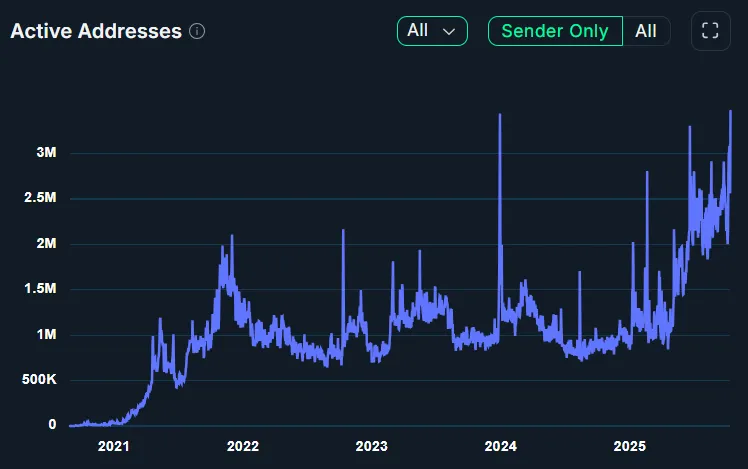
While exchanges work on stocks, payment systems are choosing their tech stack for transactions. The Solana Foundation has introduced the Solana Developer Platform (SDP) for enterprises, and its list of early adopters is impressive: Mastercard, Western Union, and Worldpay.
What does SDP offer the corporate sector?
- Tokenized Deposits: Issuing stablecoins in full compliance with legislative norms (specifically the Genius Act).
- Seamless Flows: Managing B2B payments and fiat-to-crypto conversions.
- Trading Modules: Atomic swaps and currency operations within the blockchain.
Notably, the platform is natively optimized for AI-coding assistants (such as Anthropic’s Claude Code and OpenAI’s Codex), allowing companies to automate smart contract development. Security and custody are provided by industry leaders like Coinbase, Anchorage Digital, and Fireblocks, while transaction monitoring is handled by Chainalysis and TRM Labs.
Summary
We are witnessing a transition from experimentation to industrial implementation. Tokenization is ceasing to be a “technology of the future” and is becoming the standard for Wall Street. Merging the liquidity of traditional exchanges with the speed of blockchains like Solana is creating a new financial architecture—one that is more transparent, faster, and more accessible.