Short answer: USDT, also called Tether, is a cryptocurrency designed to stay worth about 1 US dollar. It is the largest stablecoin in the world: around $183 billion of USDT was in circulation in October 2026 (DefiLlama). People in Nigeria, Kenya, Pakistan, Tanzania and many other countries use it to hold dollars, to send money abroad, or as a “bridge” when they buy and sell other crypto. USDT is not the same as a dollar in a bank, though. It carries risks you should understand first.
Checked and updated: October 2026
What does USDT mean?
USDT is the ticker symbol of Tether, a token issued by the company Tether. “USD” stands for the US dollar and “T” for Tether. You will also see it written as USD₮ in wallets and on Tether’s own website.
Each USDT is meant to be backed by assets that Tether holds, mostly US government debt (Treasury bills), cash-like instruments, plus some gold and bitcoin. The idea is simple: for every 1 USDT in circulation, Tether should hold at least $1 of reserves.
How does USDT stay at $1?
USDT does not stay at $1 by magic. Two things hold it close to the peg:
- Redemption. Large, verified customers can send USDT back to Tether and receive US dollars. Tether’s published terms for direct redemption set a minimum of about $100,000 plus fees, so ordinary users do not redeem directly.
- Arbitrage. If USDT trades below $1 on an exchange, big traders buy it cheap and redeem it at $1. If it trades above $1, Tether issues new tokens. This keeps the market price close to one dollar.
In practice, USDT usually trades between about $0.998 and $1.002. It has slipped before, though: on 12 May 2022, during the Terra/LUNA collapse, USDT briefly fell to around $0.95 before recovering.
USDT vs USD: what is the difference?
This is one of the most searched questions about USDT, and the answer matters.
| US dollar in a bank | USDT | |
|---|---|---|
| Who stands behind it | Your bank, often with deposit insurance | Tether, a private company |
| Where it lives | Bank account | Blockchain address (wallet or exchange) |
| Can it be frozen? | Yes, by the bank or a court | Yes, by Tether at the smart-contract level |
| Sending abroad | Slow, with bank fees | Minutes, network fee of a few cents to a few dollars |
| Price | Always $1 | Usually ~$1, but it can move slightly |
The key point: USDT gives you dollar-like value that is easy to move, but no deposit insurance protects it. If you send it to the wrong address, nobody can reverse it.
Which network should I choose: TRC20, BEP20 or ERC20?
USDT exists on many blockchains. When you withdraw or deposit, the exchange asks you to choose a network. This is where most beginner mistakes happen.
In October 2026, about half of all USDT was on Tron (TRC20) and about 40% on Ethereum (ERC20). BNB Smart Chain (BEP20) held about 5%. Solana, TON, Arbitrum, Polygon and others held the rest.
| Network | Also called | Typical use | Fees (approx.) |
|---|---|---|---|
| Tron | TRC20 | P2P trades, transfers between exchanges, the most popular choice in Africa and South Asia | On-chain about 6.5 TRX (~$2) if the receiver already holds USDT, ~13 TRX to a new address. Exchanges often charge ~1–1.5 USDT for withdrawals. |
| BNB Smart Chain | BEP20 | Cheap transfers, Binance users | Usually well under $1 |
| Ethereum | ERC20 | DeFi apps, large transfers | Varies with network load, from cents to several dollars |
| Solana / TON | SPL / TON | Wallet apps (Telegram’s Wallet supports USDT on TON) | Usually cents |
Fees change often. Always read the fee shown on the withdrawal screen before you confirm.
The golden rule: same network on both sides
If you send USDT on TRC20, the receiving address must also be a TRC20 (Tron) address. A Tron address starts with T. Ethereum and BNB Smart Chain addresses both start with 0x, which makes them easy to confuse.
If you choose the wrong network, your funds may be lost or stuck. Sometimes an exchange can recover them for a fee, but often it cannot.
Before every transfer:
- copy the address from the receiver’s Deposit page and check that the network matches;
- check the first and last 4–6 characters of the address after pasting;
- for a first transfer to a new address, send a small test amount.
Old networks you should avoid
Tether stopped issuing and redeeming USDT on several older networks: Omni (Bitcoin), Bitcoin Cash SLP and Kusama in 2023, EOS and Algorand in 2024. Tokens there can still move, but they are no longer officially supported. If someone offers you USDT “on Omni” or “on EOS”, be careful.
What is USDT used for?
- Saving in dollars when the local currency is losing value.
- Trading: on most exchanges, USDT is the main pair (BTC/USDT, ETH/USDT).
- P2P buying and selling: people buy USDT with naira, shillings or rupees through bank transfer or mobile money (M-Pesa, JazzCash and others), then use it to buy crypto or send value abroad.
- Payments and freelance income: some freelancers and online businesses get paid in USDT.
Is USDT safe? The real risks
USDT is widely used, but “widely used” does not mean “risk-free”. Here is what to know.
1. Issuer and reserve risk
USDT is only as good as Tether’s reserves and honesty. Tether publishes quarterly attestations (reports checked by the accounting firm BDO), but it does not publish a full audit. For 30 June 2026, Tether reported about $187.8 billion of assets against $183.6 billion of liabilities. That is a buffer of about $4.1 billion, down from $8.2 billion three months earlier. The assets included about $115 billion in US Treasury bills, around 146 tonnes of gold and nearly 99,000 BTC.
The history is not spotless. In 2021, the US regulator CFTC fined Tether $41 million. It found that Tether’s reserves had fully backed USDT on only 27.6% of days in a 2016–2018 sample period.
2. Freezing risk
Tether can freeze any address on the USDT contract, usually at the request of law enforcement. By mid-2026, more than $5.6 billion of USDT had been frozen across about 9,600 addresses on Tron and Ethereum. If you buy USDT that came from stolen funds, for example from a P2P seller you don’t know, it can be frozen in your wallet.
3. Regulation risk
Rules change. In the US, Tether launched a separate token, USAT, in January 2026. It is issued by a federally chartered bank to meet the new US stablecoin law (the GENIUS Act). USDT itself is not yet under that framework. In some countries, banks or regulators restrict crypto or P2P trading, which can affect how easily you can buy or sell USDT for local currency.
4. Your own mistakes and scams
Most people who lose USDT don’t lose it because of Tether. They lose it to:
- wrong network or wrong address, and
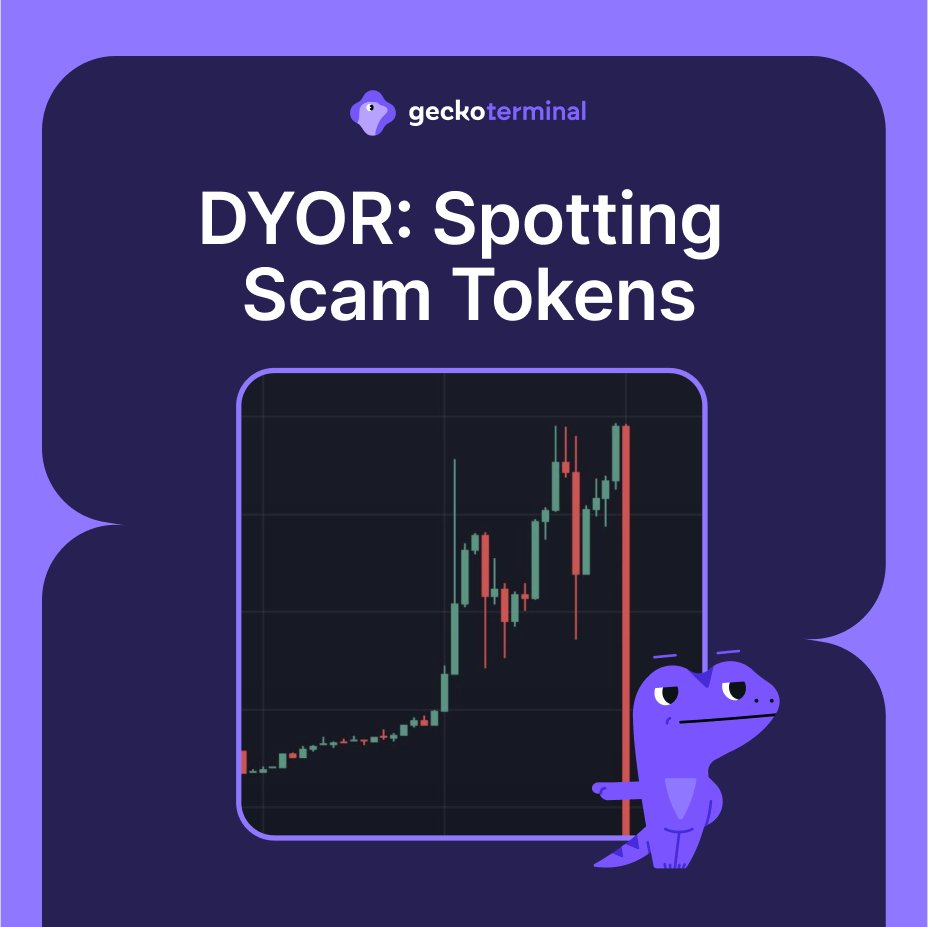
- scams: “flash USDT” or fake USDT tokens that show a balance but cannot be sold, fake payment screenshots in P2P trades, investment schemes promising daily profits, and “address poisoning”, where a scammer sends a tiny amount from an address that looks like yours so you copy the wrong one later.
Rule of thumb: real USDT on Tron comes from Tether’s official contract. If someone sends you “USDT” that you can’t sell or move on a major exchange, or offers USDT far below the market price, assume it is a scam.
How to buy USDT (quick overview)
- Exchange P2P (for example, Binance P2P or Bybit P2P). You pay a seller by bank transfer or mobile money, and the exchange holds the USDT in escrow until the seller confirms your payment. Use only verified merchants with many completed trades, and never release crypto or “confirm” outside the platform.
- Exchange spot market, if you can deposit local currency directly.
- Wallet apps with built-in purchase options. These are often more expensive.
We are preparing country guides for Nigeria, Kenya, Pakistan and Tanzania with exact steps and payment methods.
Where to keep USDT
- On an exchange: convenient for trading, but the exchange controls your funds. Turn on two-factor authentication (2FA).
- In your own wallet (Trust Wallet, TronLink, MetaMask, a hardware wallet): you control the keys. Write your recovery phrase on paper, never type it into a website, and never share it with anyone, including “support staff”.
Frequently asked questions
Is 1 USDT always equal to 1 US dollar?
Almost always, within a fraction of a cent. It is not guaranteed, though: USDT briefly fell to about $0.95 in May 2022. The price you get in local currency on P2P (naira, shillings, rupees) also depends on local demand, so it can differ from the official exchange rate.
What is the difference between USDT TRC20 and USDT ERC20?
It is the same token, Tether, issued on different blockchains: Tron (TRC20) and Ethereum (ERC20). TRC20 is usually cheaper and the most common for P2P. ERC20 is used more in DeFi. You must send and receive on the same network.
Can USDT be frozen?
Yes. Tether can freeze addresses on its smart contract, and it has frozen billions of dollars’ worth, mainly linked to hacks, scams and sanctions.
Is USDT legal in my country?
It depends on the country, and the rules change. Check the current rules of your central bank or securities regulator. Country guides for Nigeria, Kenya and Pakistan are coming soon on Crypto Vestor.
Can I earn interest on USDT?
Some platforms offer “earn” products. Any yield comes with risk: the platform can fail or freeze withdrawals. Offers of high fixed daily returns are a classic sign of a Ponzi scheme.
This article is for information only and is not financial advice. Crypto, including stablecoins, carries risk. Read our Disclaimer.