The drop in the price of the flagship cryptocurrency has hit major American miners hard. The second quarter brought multi-million-dollar net losses to industry giants MARA Holdings and CleanSpark. However, despite market pressures, both companies are boosting operational efficiency and actively reallocating energy capacities to meet artificial intelligence (AI) demand.
MARA Holdings: A $611M Loss Despite Mining Records
U.S. mining giant MARA closed the second quarter with a net loss of $611.3 million (compared to an $808.2 million profit during the same period last year). Adjusted EBITDA tumbled to negative $360.9 million, down from a positive $1.2 billion a year prior.
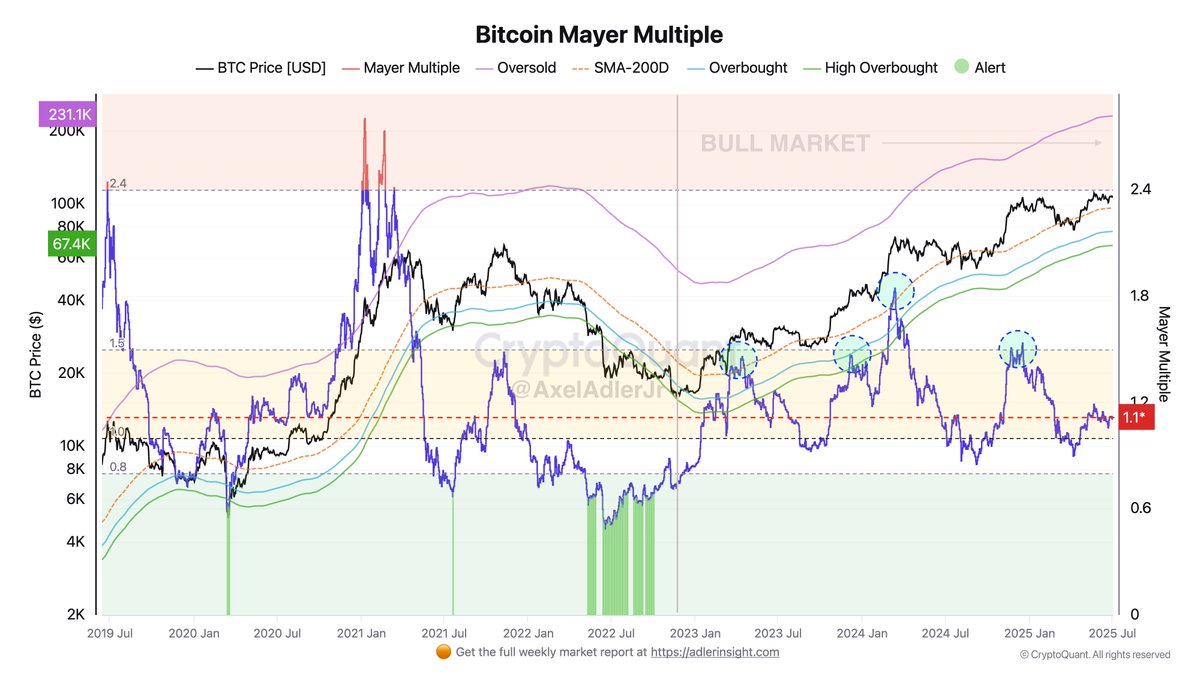
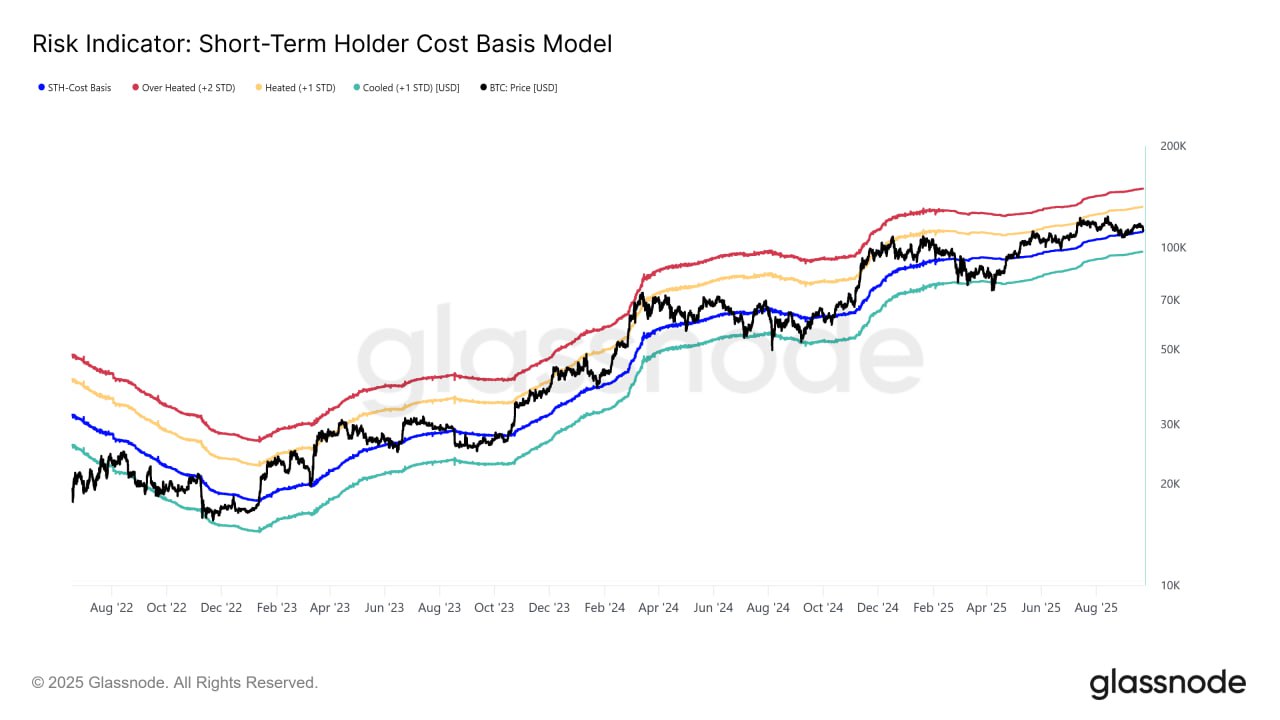
The primary driver behind the downturn was the slump in Bitcoin’s price:
- Revenue fell 27%—from $238.5 million down to $174.9 million—as the average BTC price was 28% lower than last year.
- Paper losses from digital asset revaluation reached approximately $343 million.
- The remaining deficit stemmed from operational expenses, depreciation, and one-time write-downs.
“The quarter was defined by two factors. On one hand, Bitcoin’s price environment created challenging revenue conditions. On the other, we leveraged this period to fundamentally restructure our energy portfolio and optimize our capital structure,” commented MARA Chief Financial Officer Salman Khan during the earnings call.
The Paradox: Production Up, Cost Per Petahash Down
From an operational standpoint, however, the quarter set strong benchmarks:
- Production Volume: 2,422 BTC (+3% year-over-year)—the company’s best result in 18 months.
- Hash Rate: Energized hash rate grew by 22%, reaching 70.3 EH/s.
- Efficiency: Daily cost per petahash dropped by 4% to $27.70.
Over the three-month period, the firm sold 2,213 BTC at an average price of $73,078. Total Bitcoin reserves on the balance sheet decreased by 29% to 35,577 BTC (~$2.1 billion).
Pivoting to AI Infrastructure
To hedge against crypto market volatility, MARA is pivoting its energy assets toward high-performance computing (HPC) and AI workloads:
- Closing the $1.5 billion acquisition of the Long Ridge energy facility in Ohio, which (pending FERC approval) will supply up to 600 MW for AI workloads.
- Acquired a site in Matagorda County, Texas, in July, offering potential access to up to 2 GW of power by April 2028.
- Planning to secure at least two additional lease agreements for AI infrastructure before the end of the year.
CleanSpark: Declining Revenue and a Big Bet on Long-Term Leases
Second-largest market player CleanSpark posted similar operational trends.
| Metric | Prior Period | Current Quarter |
| Revenue | $198.6M | $138.0M |
| Net Result | +$257.4M (Profit) | -$239.8M (Loss) |
| Adjusted EBITDA | Positive | -$113.0M |
CleanSpark reported a quarterly revaluation loss of $116.3 million on its Bitcoin holdings. As of June 30, the company’s financial position stood as follows:
- $202.6 million in cash and $814.9 million in BTC;
- Total assets of $2.7 billion against $1.8 billion in long-term debt and $761 million in working capital.
CleanSpark controls over 1.8 GW of power capacity, land, and data center assets. The company is also aggressively diversifying: in July, it signed a 20-year, $6.6 billion lease agreement for its Sandersville facility with an investment-grade tenant.
Stock Market Reaction
Following the release of their earnings reports, shares of both miners declined at the close of trading on August 6:
- MARA shares dropped 5.2%;
- CleanSpark stock slid more than 6%.
The current market downturn highlights a broader industry shift: miners’ survival and future profit margins increasingly depend on their ability to convert power assets into infrastructure for the rapidly expanding AI sector.