June has locked in its status as the worst month for US spot Bitcoin ETFs since their triumphant launch in early 2024. Net capital outflows from these products hit a staggering $4.5 billion. This marks a new low for the sector, surpassing the previous negative record of February 2025 ($3.48 billion) by 29%.
Key Figures of the June Downturn
- $3.55 billion — The losses suffered by BlackRock’s IBIT fund alone, making it the primary trigger for the broader market slide.
- $70.9 billion — Current net assets under management (AUM). The sector has shrunk noticeably compared to its peak of over $110 billion recorded earlier this year.
- > $51 billion — Total cumulative net inflows since the ETFs launched. Despite a brutal month, the overall historical balance remains deeply in the green.
Capital Rotation and Macroeconomics: What the Experts Say
Despite the alarming statistics, analysts agree on one thing: don’t panic just yet. The current trend isn’t a fundamental rejection of crypto, but rather a reaction to heavy external factors.
- Macroeconomic Pressure: Paul Howard, Senior Director at Wincent, attributes the exodus to a global “macro rotation.” High interest rates, geopolitical instability, and a generally cautious macroeconomic sentiment are driving big players to seek shelter in more traditional, predictable assets.
- The SpaceX Rivalry: Maxim Seiler, Head of STS Digital, points to a simple “shortage of new capital.” After last year’s aggressive run into Bitcoin and ETFs, institutional eyes shifted to major traditional market plays—most notably, the historic SpaceX IPO, which soaked up a massive $75 billion across more than 555 million shares.
Renna Ba, Head of Ecosystem at Morph: > “The current dynamics look more like a temporary cooling of speculative demand rather than a drop in long-term investor confidence. Bitcoin’s underlying fundamentals remain perfectly intact.”
Bitcoin’s Price Reaction: What’s Next?
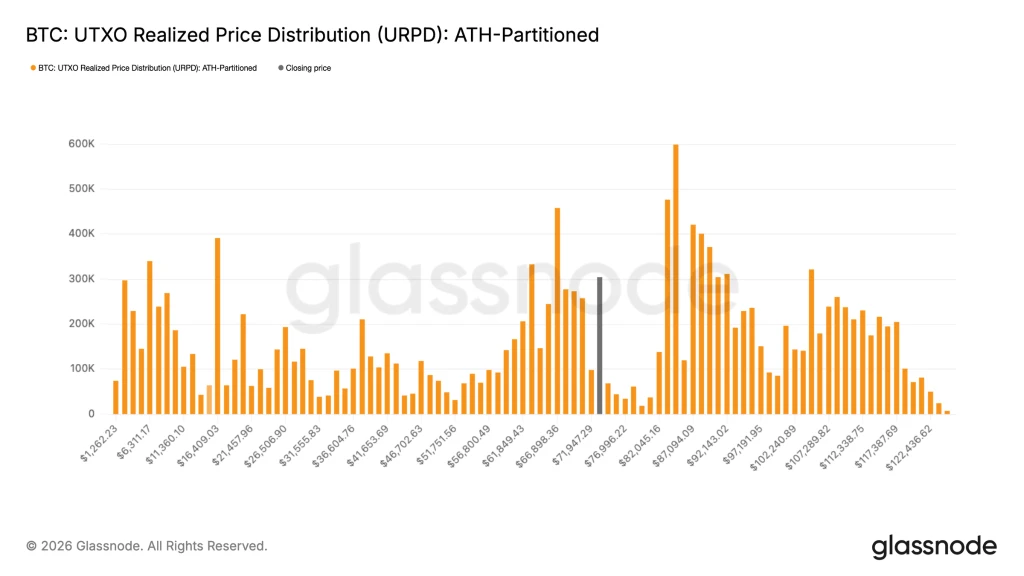
With capital fleeing the funds, the flagship cryptocurrency naturally took a hit, sliding down to trade around $58,500.
- Over the past 30 days, the asset has shed 20% of its value.
- Year-over-year, the decline sits at 45%.
- Big money started playing defense early: back in Q1, institutional investors had already quietly pared down their exposure to US spot Bitcoin ETFs by 17%.
Gerald David, CEO of Lynq, notes that ETF outflows inevitably choke off a primary source of spot market demand, ramping up short-term price pressure. Meanwhile, Bitfinex analysts are keeping their expectations conservative, warning in their latest report that Bitcoin could test the $40,000 mark by the fourth quarter.
The Bottom Line
Bitcoin ETFs are experiencing a textbook cooling-off period following an era of explosive growth. A harsh macroeconomic climate mixed with massive, high-profile alternative investments on Wall Street temporarily drained the liquidity pool. However, the institutional foundation backing the world’s top cryptocurrency still looks remarkably solid.