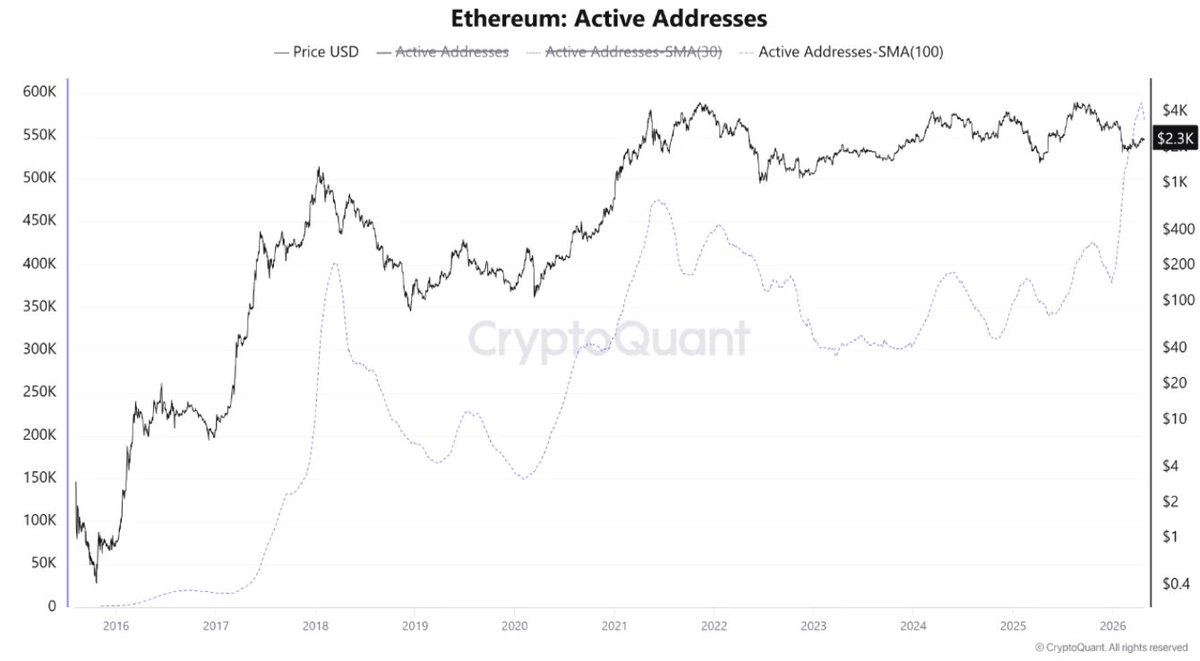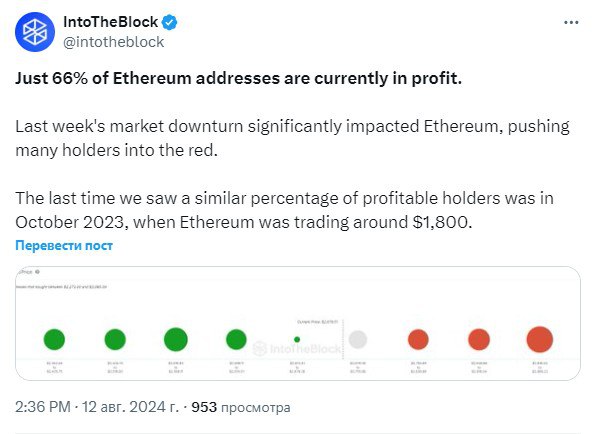
The cryptocurrency market is facing another storm. On June 19, the price of the pioneer cryptocurrency corrected to the $62,000 mark, losing about 3% in just 24 hours. The rest of the market quickly followed the flagship asset, with Ethereum (ETH) slipping below the psychologically important $1,700 level.
Against the backdrop of this prolonged decline, the Crypto Fear and Greed Index plummeted to 14 points, signaling a state of “extreme fear” among market participants. Let’s break down the factors pressuring the charts and why experts see signs that selling pressure might soon dry up.
Three Main Triggers of the Dip: Geopolitics, ETFs, and Liquidations
The current wave of correction is driven by a combination of macroeconomic headwinds and internal market dynamics:
- Geopolitical Uncertainty: Investors are pricing in risks stemming from the Middle East. US Vice President JD Vance postponed a trip to Switzerland, which was planned for the signing of an agreement with Iran. The situation is further complicated by IDF strikes on several targets in southern Lebanon (even though popular oil benchmarks actually declined throughout the week).
- Capitulation of “Longs”: The price drop triggered a massive wave of margin liquidations across exchanges. Over the past 24 hours, crypto market liquidations surpassed $460 million, with the vast majority of losses hitting buyers holding leveraged long positions.
- Institutional Outflows: Outflows from US spot Bitcoin ETFs continue to exert downward pressure on the market. This negative trend has persisted since mid-May, with only rare, minor inflows. During the June 18 trading session alone, investors pulled $90 million out of these products.
Analyst Insights: Selling Pressure is Exhausting Itself
Despite the bleak short-term outlook, experts are noticing positive structural shifts in on-chain metrics.
Whales and Mid-Sized Holders Stop Moving BTC to Exchanges
Amr Taha, a contributor to the analytical platform CryptoQuant, pointed out a synchronous decline in Bitcoin inflows to major exchanges (Binance and Coinbase) from mid-sized investors—wallets holding between 100 and 1,000 BTC.
“The drop in exchange inflows is a crucial marker. Typically, investors transfer BTC to trading platforms to lock in profits or panic-sell. Right now, this metric for Binance and Coinbase has fallen to levels last seen in late February, while Coinbase Prime has hit lows not seen since early April. This reduces potential selling pressure and bodes well for Bitcoin’s short-term prospects,” the expert explained.
The Market Holds the Line but Suffers from a Lack of “New Blood”
Technical analyst Axel Adler Jr. noted that the first cryptocurrency is still holding its key support level around $58,000. However, he believes the real issue lies elsewhere—no fresh capital is entering the market.
- Inflow of New Investors Turns Negative: This metric currently stands at around -$1.2 billion.
- A Shortage of New Demand: The bulk of the supply is currently held by long-term investors (“old hands”), while new buyers are hesitant to step in.
Additionally, QCP Capital commented that while the potential US-Iran agreement has somewhat mitigated risks to global energy sectors, Bitcoin remains sluggish. This is due to lingering market fears regarding potential massive sell-offs by Strategy.
The Bottom Line
The market is currently in a phase of local capitulation driven by “extreme fear.” However, the shrinking volume of BTC moving to exchanges suggests that the bears are running out of steam to push prices lower. To kickstart a steady recovery, Bitcoin needs a strong catalyst capable of injecting fresh capital back into the market.