
The primary cryptocurrency has reached a new monthly high, touching $66,400. The local rally was largely driven by sustained institutional demand via US spot ETFs and a cascade of short position liquidations.
Key Drivers: Institutional Demand and Short Squeezes
Bitcoin returned to levels not seen since mid-June, breaking through $66,400. The primary catalyst behind this movement is renewed investor activity in spot Bitcoin ETFs:
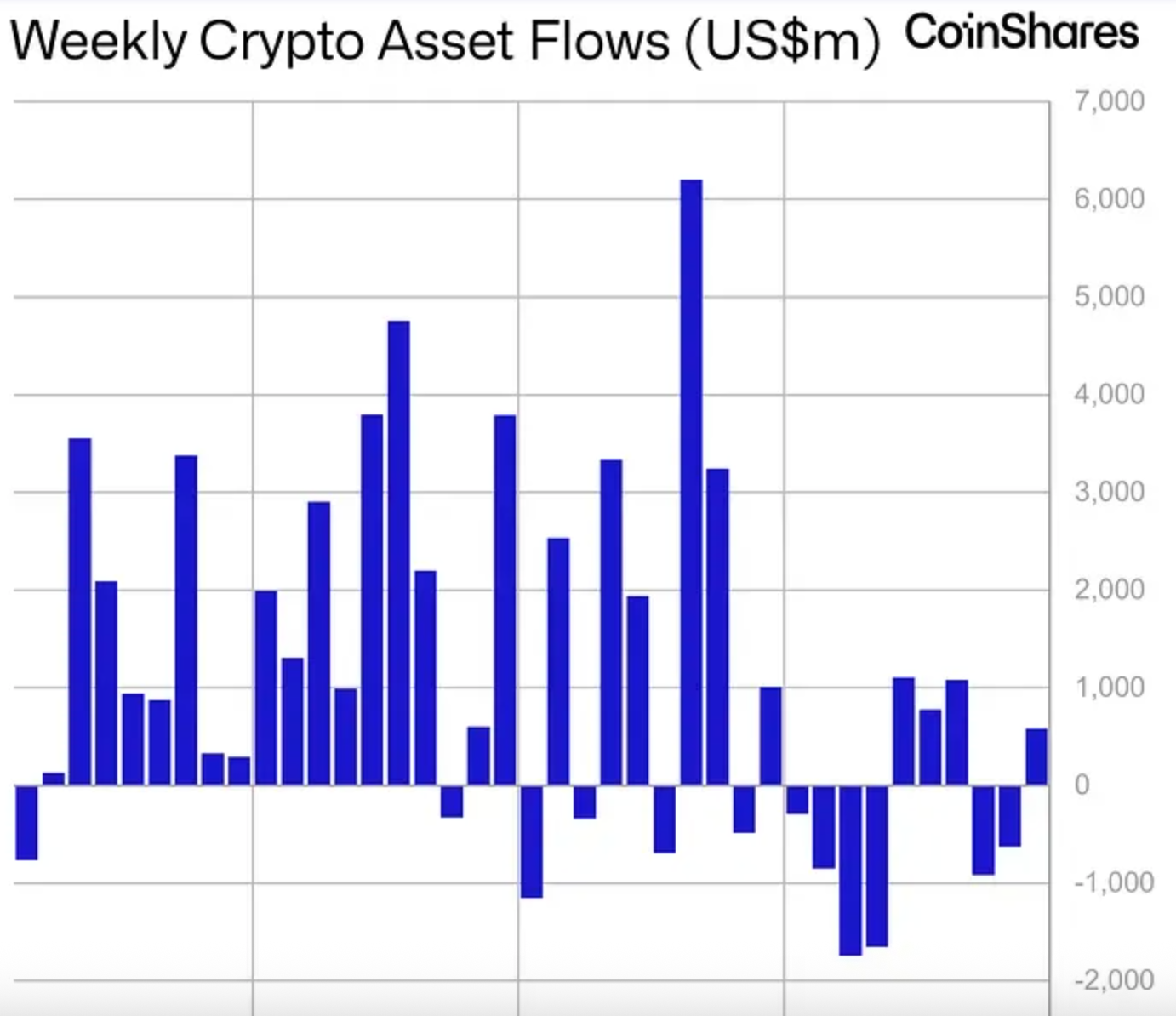
- Five Consecutive Days in the Green: US exchange-traded funds have recorded net inflows for five straight trading sessions, attracting approximately $727.3 million during this period (per SoSoValue data).
- Highest Peak Since Early July: On July 20 alone, net inflows reached $226.9 million, marking the highest single-day figure since July 6. This represents the longest positive streak since May.
- Issuer Dynamics: According to data from the week of July 13–17, the main driver was BlackRock’s IBIT (+$204.1 million), while Fidelity’s FBTC saw the largest outflow at $181.1 million.
The sharp breakout above the local range triggered a wave of forced position liquidations. According to Coinglass, total crypto market liquidations reached $241.69 million over the past 24 hours, with short positions accounting for $182.5 million of that total.
What’s Next: $70,000 or a Drop to $40,000?
Analysts remain divided on the flagship cryptocurrency’s future trajectory.
The Bullish Scenario
Pseudonymous trader Jelle notes that the $65,000–$67,000 zone acts as key resistance established back in the first quarter. A firm breakout above this level would pave a direct path for Bitcoin toward the psychological milestone of $70,000.
The Capitulation Scenario
Legendary technical analyst Peter Brandt urges caution, suggesting the current rally might merely be a temporary consolidation phase before a final market flush-out:
- Finding the True Bottom: Brandt emphasizes that prevailing market optimism does not align with conditions typical of final capitulation.
- Potential Pullback: Before a bottom forms, the expert admits Bitcoin could drop below $50,000, potentially dipping into the $40,000–$50,000 range.
- Timeline and Long-Term Outlook: Brandt points to early October as the expected completion timeframe for the current cycle. Long term, however, he remains bullish, predicting Bitcoin could climb to $250,000 by the end of 2029.
“Markets do not form bottoms with neutral sentiment, but on panic and volume,” — Peter Brandt.
Key Takeaway
In the short term, Bitcoin demonstrates strong momentum backed by ETF support and short liquidations. However, testing the critical $65,000–$67,000 resistance zone will be the ultimate test for the market.