Large investors accumulate assets amidst historic retail market lull
Key Takeaways: In August, Bitcoin delivered its best performance since November 2024, gaining 24%. However, behind the impressive price rally lies a complex picture: spot trading volumes have stalled at three-year lows, and retail investors have ceded the initiative to institutional “whales”.
Macroeconomic Pressure and Price Dynamics
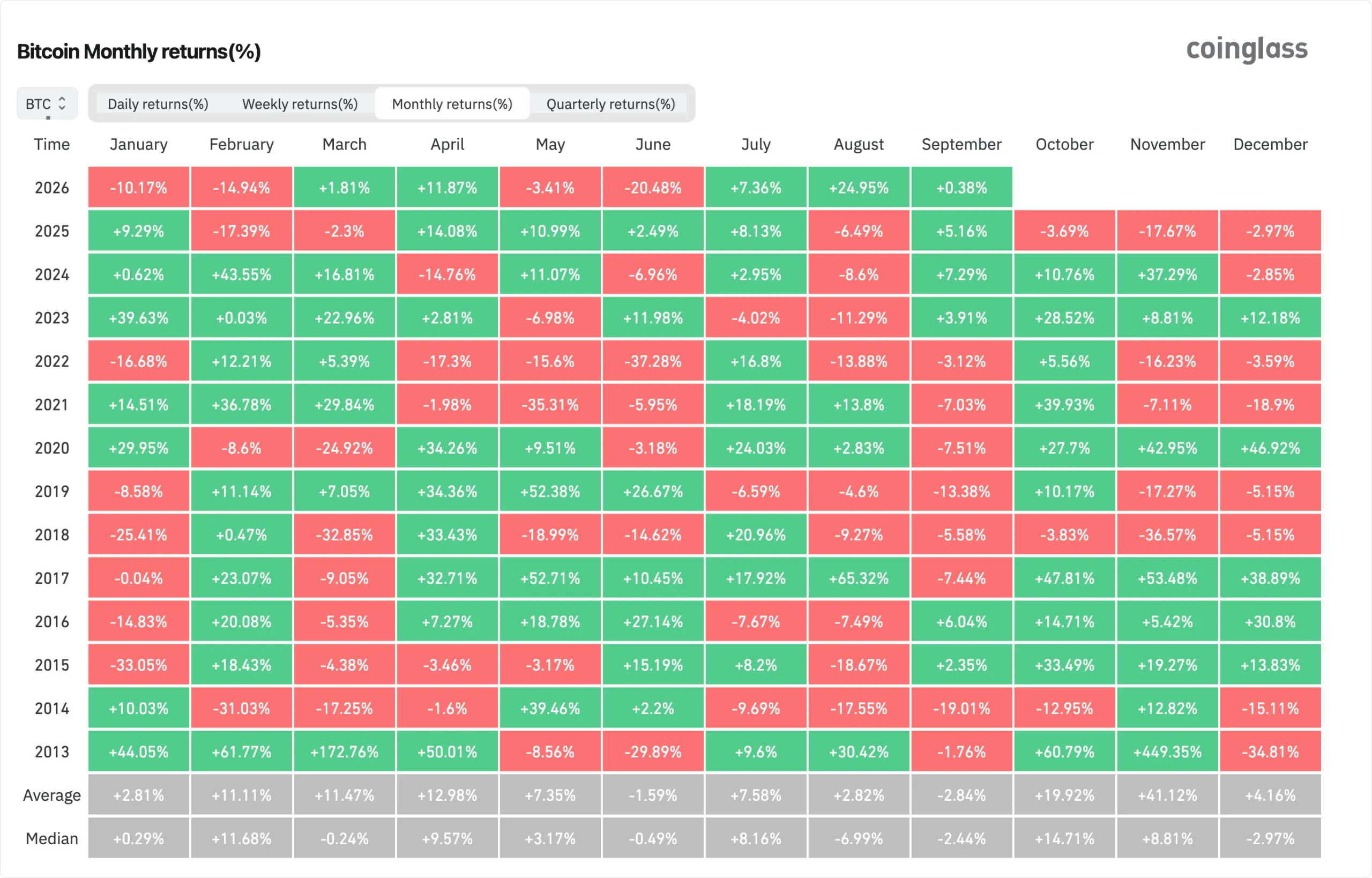
The past month proved to be a period of steady recovery for the primary cryptocurrency. Bouncing back from a local bottom around $64,000, BTC’s price surged upward, briefly breaking above the psychologically significant $81,000 level. According to analytics service CoinGlass, Bitcoin’s total gain for August reached 24%.
Nevertheless, the bullish momentum began to fade toward the end of the month. A speech by Fed Chair Kevin Warsh cooled investor sentiment, triggering a price correction down to $76,877. Currently, digital gold is consolidating around the $78,000 mark. Macroeconomic expectations remain the primary source of pressure on risk assets: according to CME FedWatch tool data, the market assigns approximately a 64% probability to a key rate hike at the September 16 meeting.
The Spot Volume Paradox
Despite the strong price rally, a broad recovery in trading activity has yet to materialize. CryptoQuant analyst operating under the pseudonym Darkfost notes that spot trading volumes on leading centralized exchanges remain near September 2023 lows.
- Binance: Volume dropped from $198 billion (October 2025) to $44 billion (August 2026), representing a decline of about 77%.
- Gate: Volume decreased from $53.4 billion to $14 billion (~73%).
- Bybit: Volume fell from $41.2 billion to $17.4 billion (~57%).
On average, trading activity across the three major exchanges fell by approximately 70%. However, there is a positive signal: the decline in volume has stopped accelerating. Binance’s figures in August were roughly $1.6 billion higher than in July, while metrics on other major platforms generally stabilized relative to the previous month. Darkfost considers this the first sign of an ending market downturn.
Asian Revival: The Return of the “Kimchi Premium”
A notable signal emerged from the South Korean market. On Upbit, the largest local exchange, Bitcoin trades at approximately a 1% premium compared to global platforms like Binance. According to Korean trader crypto sunmoon, this positive “Kimchi Premium” has persisted for a week—the longest streak since early May.
This marks a sharp contrast to summer dynamics, when a discount prevailed in the Korean market (reaching 3.1% in early June). However, Markus Thielen, head of research at 10x Research, cautioned against over-optimism: the return of the premium is not yet accompanied by a surge in spot volume. Consequently, South Korean traders are unlikely to serve as the main driver of market recovery at this stage.
Whales Continue Accumulation
August’s price growth was accompanied by a major redistribution of capital. CryptoQuant data shows that large investors are actively buying assets from retail participants.
From August 1 to August 30, wallets holding more than 100 BTC expanded their reserves by roughly 60,000 coins. The most aggressive buying began after August 19, when Bitcoin broke out of the narrow $62,000–$65,000 range. Meanwhile, smaller market participants locked in profits or reduced exposure: addresses holding 1 to 100 BTC sold around 33,000 BTC, while “shrimp” (holding under 1 BTC) unloaded another 14,000 coins. No signs of mass selling by accumulated whales were detected by month’s end.
Mixed Signals from Glassnode: A Transition Phase
Analytics platform Glassnode confirms the emergence of a complex market structure. On one hand, institutional demand remains solid: inflows into US spot Bitcoin ETFs persist, and most positions in these products remain in profit. On-chain transfer volumes also stay elevated.
The market has entered a transition phase: steady institutional demand contrasts sharply with weakness in the retail sector.
On the other hand, spot and retail segments are visibly cooling. Exchange turnover, active network addresses, and total transaction fees have all declined slightly. Conversely, speculative sentiment is rising in the derivatives market: interest in options is growing, and the spread between implied and realized volatility is narrowing rapidly.
Summary: Bitcoin closed August on a high note with strong price gains. However, the structure of this rally indicates a market in transition. The future direction will depend on whether large holders can maintain their positions amidst macroeconomic uncertainty and hold out for the return of retail investors.