
Short answer: To buy USDT in Nigeria, first check the platform’s status on the Securities and Exchange Commission (SEC) website, then read its current naira funding instructions inside the app before you pay anything. Binance removed naira from P2P on 28 February 2024 and ended its naira services in March 2024, so Binance P2P is not a way to buy USDT with naira. Being on an SEC list is not the same as holding a final licence.
Checked: November 2026
This guide separates what the regulator says from what a platform tells you. It gives you a checklist to run before you pay. If you are new to the token, read What Is USDT? first.
What Nigerian rules say
The SEC’s rules on digital assets, dated 11 May 2022, cover digital asset offering platforms and custodians, among other parts of the market. Start with the operator’s regulatory status, not with how popular an app is.
The Central Bank of Nigeria (CBN) guidelines of 22 December 2023 set the terms for banks that serve virtual asset service providers. A bank can open a designated account only for a provider that shows a valid SEC licence. Banks themselves still may not hold, trade or transact in virtual currencies on their own account.
These rules cover different activities. Our practical conclusion: a bank transfer option on an app does not tell you the app’s SEC status. Check the operator separately before you fund it.
How to check a platform with SEC Nigeria
On the SEC Nigeria website, open Fintech and Innovation Hub (FinPort), then Registered FinTech Operators. For investment firms, the SEC also points investors to its Find a Registered Operator service.
The directory has two programme tables for crypto-related firms: Regulatory Incubation (RI) and the Accelerated Regulatory Incubation Program (ARIP). When we opened the directory on 1 November 2026, the ARIP table listed two digital asset exchanges: Busha Digital Limited and Quidax Technologies Limited (trading name Quidax Digital Assets Exchange). The table has no dates per row, and the page itself carries a May 2025 publication date. We name this only as an example of how to read the register, not as a recommendation.
On 13 August 2026 the SEC announced three more virtual asset service providers for ARIP: Pisi Payments Solution Limited, BC Access (Nigeria) Limited and Yellow Card (YC) Financial Limited. That shows the directory page can lag behind the SEC’s own announcements, so check the circulars too.
Know what “Approval-in-Principle” (AIP) means. The SEC’s 13 August 2026 statement says an AIP lets a firm operate within the defined scope of the programme, on the SEC’s conditions. It also says an AIP is not a final licence and stays conditional on continued compliance. Describe a platform by the status the SEC gives it, not by a stronger word.
Use this checklist:
- Match the legal company name in the directory with the name in the platform’s terms.
- Read the programme heading, not just the page title.
- Compare the platform’s website with the contact details in the SEC entry.
- Check the SEC’s circulars and public notices for anything about the operator before you pay.
- If the identity or status is unclear, write to the SEC through its published contact details and wait for an answer. The directory page lists [email protected] for questions about an operator’s status.
These are our verification steps, not a guarantee against loss. A screenshot of a certificate or an advertising badge proves nothing. Check the official entry yourself.
How a naira purchase usually works
Screens and names differ between platforms, and they change. Treat the order below as a map, and follow the platform’s own current instructions at every step. If something on screen does not match what you expect, stop.
Step 1. Verify your identity and secure the account
Use your own details for identity verification. Do not open or use an account in someone else’s name, and do not trade for a third party. Turn on two-factor authentication before you fund anything. Never share your password, authentication codes or login access with anyone, including someone who offers to trade for you.
Step 2. Generate fresh payment details
Open the platform’s naira deposit page and choose the bank transfer option it offers. Use the account details shown for that deposit. Do not copy bank details from an old receipt, a chat message or a post. If the platform shows a reference or a unique amount for the deposit, follow it exactly.
Step 3. Pay from your own account and check before you send
Pay from a bank account in your own name, matching your verified details. Compare the recipient account, the amount and the reference with the deposit request on screen. If a detail is unclear, contact the platform’s official support before you send money. Save the transfer confirmation, and wait for the naira to show in your platform wallet.
Step 4. Pick the USDT/NGN pair and review the order
Open the market for USDT against naira. Check the pair twice before you confirm. Use our USDT to Naira page as a reference point, then compare it with the amount the platform shows for your order.
Step 5. Check the balance, and the network if you withdraw
After the purchase, check the USDT balance and save the order record. Before you send USDT elsewhere, confirm the receiving address and the network with the receiving service. Sending on the wrong network can lose the funds for good, so stop whenever you cannot confirm that both sides support the same network.
If you use a P2P marketplace
P2P means you deal with another user, not with the platform. Read that marketplace’s own rules first: its escrow conditions, its payment instructions and its dispute process. A published P2P rule does not prove that a naira offer is available to you today.
As a reference point, Binance’s P2P rules require matching account names, forbid payments to third parties and say trades arranged outside the platform are not covered. These are Binance’s rules, not permission to trade naira there. Our minimum checklist:
- Check both names. Pay from your own account, compare the seller’s verified name with the recipient bank account, and never pay a third party.
- Read the payment instructions. Check the amount, payment method, deadline and reference before you transfer.
- Keep the deal on the platform. Refuse requests to move the deal to a messaging app or to a separate private deal.
- Mark an order as paid only after you pay. Binance’s policy forbids marking it before the payment is completed.
- Do not cancel a paid order because the seller asks. Use the platform’s dispute process. Binance’s appeal rules say recovery after a paid order is cancelled is not guaranteed.
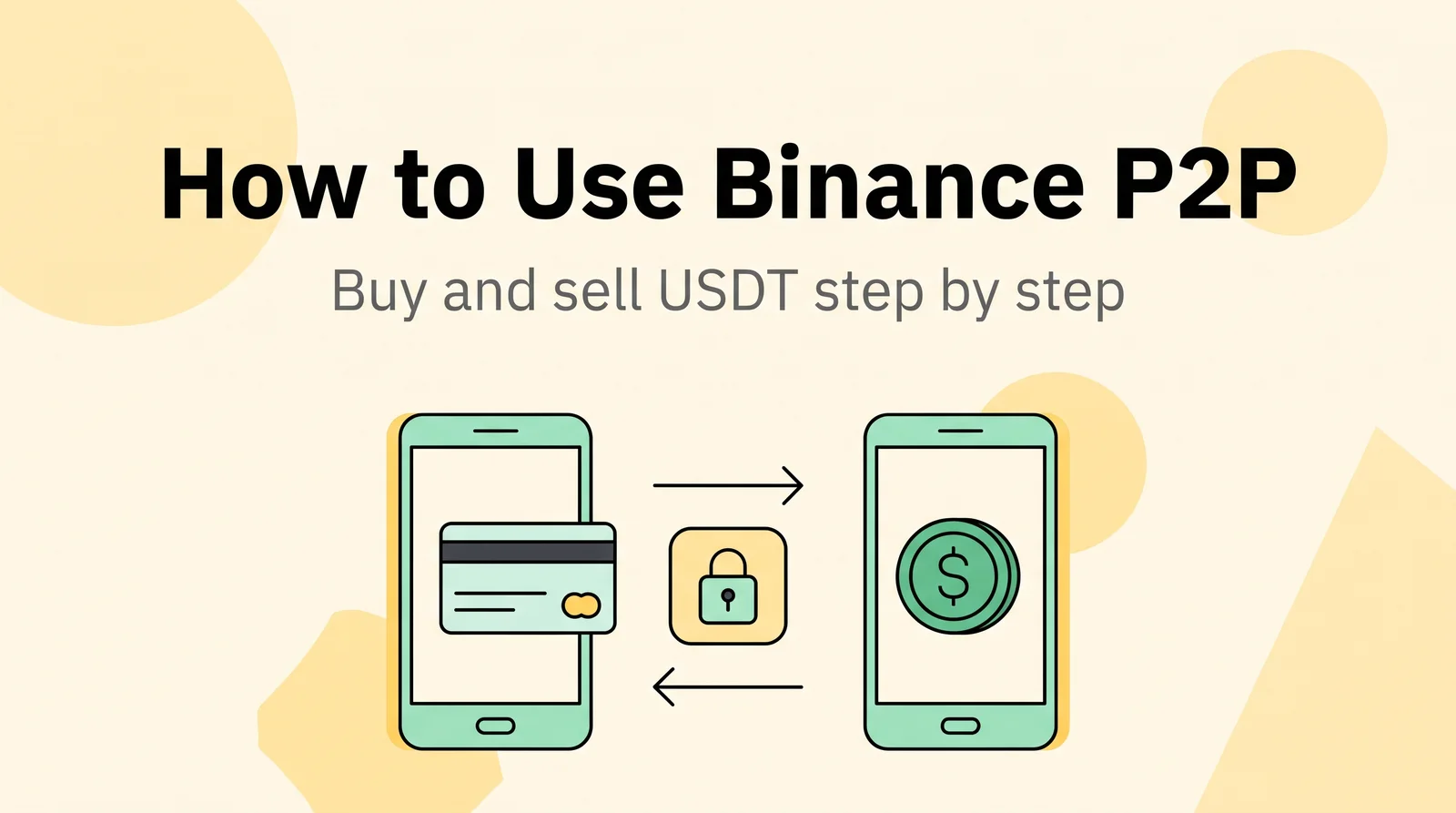
If you later sell, check the money in your own bank app before you release crypto. A screenshot or an SMS is not proof. Our Binance P2P guide shows the same checks step by step.
Fees: compare the final amount
Read the platform’s current fee page and the order details before you confirm. Record how many naira you will spend, how much USDT you will receive and any separate charge for sending it elsewhere. Compare the same purchase and the same withdrawal route across the services you have verified. Do not choose from an advertised exchange rate alone. We give no fee figures here because they change.
Why Binance P2P is not a naira route
Binance delisted its NGN P2P pairs on 28 February 2024. On 5 March 2024 it announced that it would end all naira services, and 8 March 2024 was the deadline for users to withdraw or trade their naira balances.
The SEC’s July 2023 circular says Binance is neither registered nor regulated by the Commission and calls its operations in Nigeria illegal. Read Is Binance Legal in Nigeria? for the background.
If you searched for “USDT to naira Binance P2P” or “how to buy USDT on Binance P2P”, keep this limit in mind. Our general Binance P2P guide explains how the tool works. It does not bring back a naira market.
Risks: The SEC warns that crypto investments carry a high level of risk and may result in total loss. Escrow does not replace your own payment check. Never pay a stranger who promises to recover lost funds for a fee: Binance describes such recovery services as scams that target people who have already lost money. Use the platform’s official support instead.
This article is general information, not legal, tax or financial advice. Read our Disclaimer.
FAQ
How can I buy USDT in Nigeria with naira?
Check the operator’s status on the SEC website, then read its current naira funding instructions in the app. Pay only from an account in your own name, and check each detail before you send money.
Can I buy USDT with naira on Binance P2P?
No. Binance delisted its NGN P2P pairs in February 2024 and ended its naira services in March 2024.
Does being on the SEC list mean a final licence?
No. The SEC says an Approval-in-Principle under ARIP is conditional and is not a final licence. Read the programme heading and use the status the SEC actually gives.
Can I use someone else’s bank account?
No, use your own. Reputable platforms and Binance’s P2P rules require the payment account to match your verified name, and Binance forbids paying a third party.
What should I do if my payment is missing?
Keep the deposit or order record and the transfer confirmation, then contact the platform’s official support. Ignore unsolicited offers to recover your money.